

Table of Contents
- Quick Comparison: Clean Protein Powders for Daily Use
- How We Evaluated These Clean Protein Powders
- 1. Advanced 100% Whey Protein Isolate: Best Overall Clean Protein Powder
- 2. Performance Whey Protein Blend (Chocolate): Best for Chocolate Lovers
- 3. Plant Protein (Vanilla): Best Dairy-Free Clean Protein Powder
- 4. Pure3 100% Whey Protein Isolate: Best Value Pure Isolate
- Clean Protein Powder Ingredients to Avoid
- 10 Signs You Are Not Getting Enough Protein
- Frequently Asked Questions
Last Updated: September 13, 2026
Quick Comparison: Clean Protein Powders for Daily Use
Finding a clean protein powder for daily use comes down to three things: what is in the tub, what has been left out, and whether you will actually drink it every day. At IsaacTempleNutrition, we built our protein line around that exact standard, because a supplement you skip is worth nothing.
Clean protein powder is a protein supplement formulated without artificial dyes, synthetic sweeteners, or unnecessary fillers, relying instead on pure protein sources and naturally derived flavoring. That definition matters more than any marketing claim on a label.
Here is how our four daily-use picks compare:
| Product | Protein Per Serving | Key Feature | Price | Best For |
|---|---|---|---|---|
| Advanced 100% Whey Protein Isolate | Pure whey isolate | Zero artificial dyes | $49.00 | Most daily users |
| Performance Whey Protein Blend (Chocolate) | 22g | Stevia-sweetened, real cocoa | $55.00 | Chocolate drinkers |
| Plant Protein (Vanilla) | 20g | Dairy, soy, gluten free | $44.90 | Dairy-free diets |
| Pure3 100% Whey Protein Isolate | 18-19g | Minimal ingredient list | $49.86 | Label purists |
How We Evaluated These Clean Protein Powders
We scored each option on four criteria: protein source purity, sweetener type, added ingredients, and mixability in plain water. Nothing else made the cut.

The first filter eliminates most of the shelf. If a powder lists artificial colors, sucralose, or a proprietary blend that hides individual ingredient amounts, it is out. A common mistake is assuming "natural" on the front label means anything specific. It does not. The ingredient panel is the only place the truth lives.
The second filter is practical: does it mix clean in a shaker without clumping, and does it taste acceptable in water rather than requiring milk and a blender? Daily use fails on inconvenience long before it fails on nutrition.
A note on sourcing: the FDA guidance on dietary supplement labeling makes clear that supplement manufacturers, not the agency, are responsible for verifying label accuracy before a product reaches shelves. That is why third-party testing and transparent panels matter. For broader context on how protein fits a complete diet, the USDA Dietary Guidelines for Americans remains the reference point for daily nutrient planning.
1. Advanced 100% Whey Protein Isolate: Best Overall Clean Protein Powder
This is our top pick, and the reasoning is simple. Advanced 100% Whey Protein Isolate delivers pure whey isolate with zero artificial dyes and no fillers. It is a clean daily option we carry.

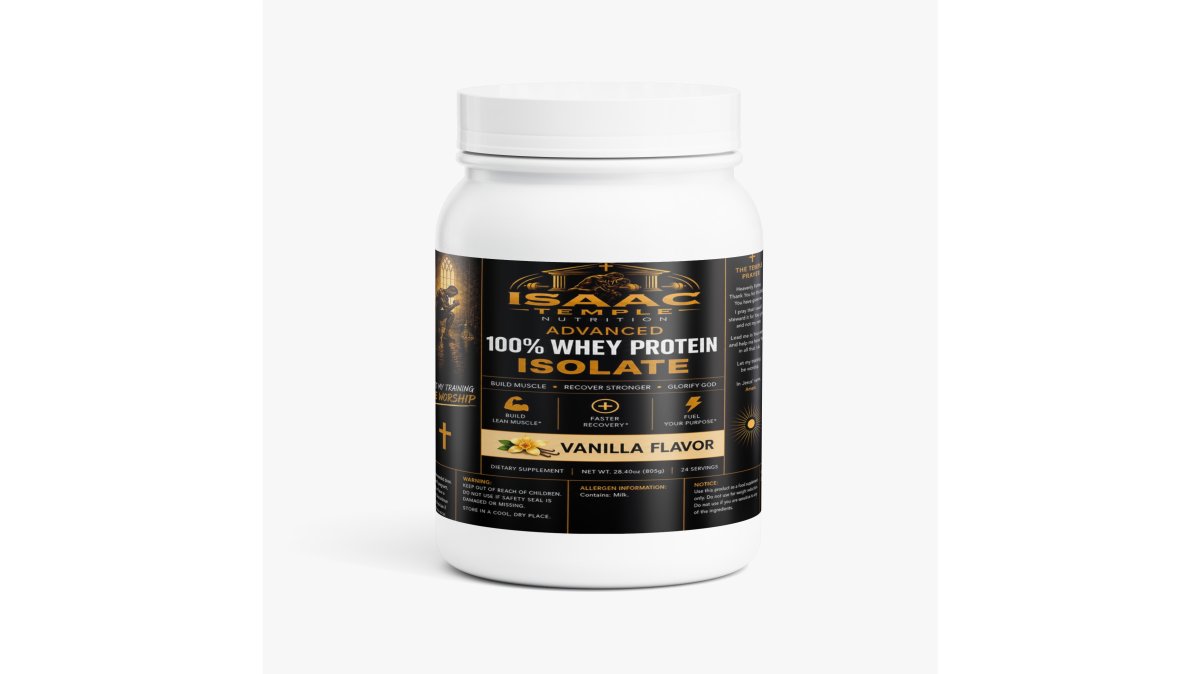
Whey isolate goes through additional processing that removes most fat and lactose. The formula is built for lean muscle support and recovery, and the macros stay low-fat and low-carb.
Pros and Cons
Pros:
- Pure whey isolate with fast absorption
- No artificial dyes, fillers, or synthetic colors
- Low fat and low carb macros
Cons:
- Not suitable for dairy-free diets
- This formula is available in vanilla.
2. Performance Whey Protein Blend (Chocolate): Best for Chocolate Lovers
Performance Whey Protein Blend offers 22 grams of protein per serving, real cocoa, and stevia instead of artificial sweeteners.
The blend combines whey isolate and concentrate. It also includes resistant potato starch for dietary fiber and all essential amino acids for muscle repair.
Pros and Cons
Pros:
- 22g protein per serving with complete amino profile
- Naturally flavored and sweetened with stevia
- Added fiber from resistant potato starch
- Genuine chocolate taste in water alone
Cons:
- Two scoops per serving means faster tub depletion
- Blend contains lactose, so it is not for dairy-free users
3. Plant Protein (Vanilla): Best Dairy-Free Clean Protein Powder
Plant Protein (Vanilla) delivers 20 grams of complete protein per serving from fava bean protein isolate and fermented nutritional yeast protein, a pairing that covers the full amino acid profile without any animal ingredients.

The formula is dairy-free, soy-free, and gluten-free, and it includes MCT oil powder for quick energy and apple pectin powder for digestive support. It is sweetened with stevia. This one mixes smooth.
Pros and Cons
Pros:
- Complete amino acid profile from plant sources
- Free from dairy, soy, and gluten
- MCT oil powder included for energy
Cons:
- 20g protein per serving is slightly below the whey options
4. Pure3 100% Whey Protein Isolate: Best Value Pure Isolate
Pure3 is the minimalist's choice. The ingredient list runs three items: whey protein isolate, natural flavors, and stevia extract. That is it.
Each serving provides pure whey isolate with minimal fat and lactose, and the formulation is designed for smooth mixing without grit. If your priority is the shortest possible ingredient panel on a clean protein powder, this is the one to pick. The tradeoff is straightforward: fewer grams of protein per scoop than the Advanced formula.
Pros and Cons
Pros:
- Three-ingredient formula
- Pure whey isolate with minimal fat and lactose
- Smooth, non-gritty texture in water
- Available in vanilla and chocolate
Cons:
- Lower protein per scoop than the Advanced isolate
- No added fiber or MCT support
Clean Protein Powder Ingredients to Avoid
Four ingredient categories separate a genuinely clean protein powder from a dressed-up one, and they show up on labels far more often than most buyers expect.
- Artificial dyes such as Red 40, Yellow 5, and Blue 1. They add color and nothing else.
- Artificial sweeteners including sucralose, acesulfame potassium, and aspartame. Stevia and monk fruit are the common natural replacements.
- Proprietary blends. When a label lists a blend without individual amounts, you cannot verify how much of anything you are getting.
- Fillers and thickeners like maltodextrin, dextrose, and modified food starch, which pad volume and carbohydrate count.
10 Signs You Are Not Getting Enough Protein
Protein deficiency shows up in ways most people attribute to stress or poor sleep. Watch for these signals, and treat them as a prompt to check your actual daily intake rather than a diagnosis.
- Persistent muscle soreness that lingers for days after training
- Slow recovery between gym sessions
- Frequent hunger shortly after meals
- Hair thinning or brittle nails
- Swelling in the hands, feet, or ankles
- Weakened immune response and frequent illness
- Mood swings or irritability
- Fatigue that does not resolve with rest
- Difficulty building or maintaining muscle mass
- Slow wound healing
If several of these sound familiar, the fix is usually arithmetic, not a new supplement. Daily protein intake requirements for athletes generally run higher than for sedentary adults, and active adults who train regularly often need more than they are currently eating. The NIH Office of Dietary Supplements overview of protein outlines how protein needs shift with activity level and body weight. A single daily shake is one of the simplest ways to close that gap consistently.
IsaacTempleNutrition built its protein line with pure whey isolate and complete plant protein, stevia instead of artificial sweeteners, and formulas that mix clean in plain water. Start with the Advanced 100% Whey Protein Isolate for all-around daily use, or the Plant Protein (Vanilla) if you avoid dairy. Get started with IsaacTempleNutrition and make your daily shake an act of stewardship rather than a compromise.
Frequently Asked Questions
What makes a protein powder considered 'clean'?
A clean protein powder has a short ingredient list with no artificial dyes, sweeteners, or fillers. It uses natural flavors and sweeteners like stevia, and the protein source is clearly identified. For example, Advanced 100% Whey Protein Isolate lists whey protein isolate, natural flavors, and stevia extract only. Look for third-party testing and transparent labeling to confirm purity.
Is it safe to drink protein powder every day?
Yes, daily protein powder is safe for most healthy adults when used as part of a balanced diet. It helps meet daily protein intake requirements for athletes, which range from 1.2 to 2.0 grams per kilogram of body weight. Choose a clean protein powder for daily use to avoid artificial additives. If you have kidney conditions or are pregnant, consult your doctor first.
What ingredients should I avoid in protein powder?
Avoid artificial sweeteners like sucralose and aspartame, synthetic dyes such as Red 40 and Yellow 5, and fillers like maltodextrin or cellulose gum. Check labels for short, recognizable lists.
How much protein do I need per day for muscle recovery?
Daily protein intake requirements for athletes range from 1.2 to 2.0 grams per kilogram of body weight, depending on training intensity. For a 70 kg athlete, that is 84 to 140 grams daily. Spread intake across 3 to 5 meals, with 20 to 30 grams per serving. A clean protein powder for daily use can help fill gaps.
Does whey protein isolate count as a clean protein source?
Yes, whey protein isolate is a clean protein source when it contains minimal additives. It undergoes processing to remove most fat and lactose. Advanced 100% Whey Protein Isolate and Pure3 100% Whey Protein Isolate are examples with no artificial dyes or fillers. Check for third-party testing to ensure purity and avoid contamination.